
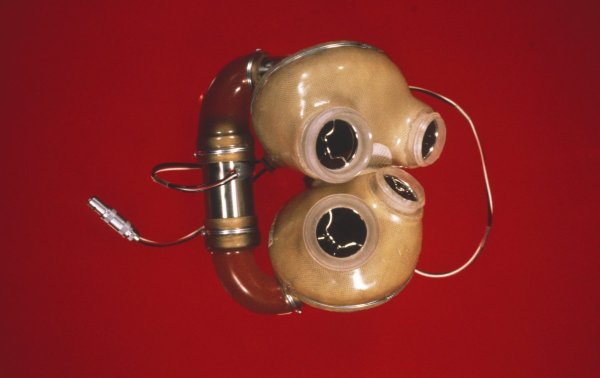
In the evolving field of cardiac care, the focus is shifting from repairing damaged hearts to replacing them entirely. While current procedures like transcatheter aortic valve implantation (TAVI) have improved survival rates, researchers are pursuing three distinct approaches to create a fully functional artificial heart—each with its own set of challenges and milestones.
TAVI, a minimally invasive implant made from bovine pericardium and a collapsible metal stent, has been a breakthrough for patients with severe aortic stenosis who cannot undergo open-heart surgery. The device, costing around £20,000 (approximately $25,000), is typically reserved for high-risk cases. Remarkably, doctors have even implanted TAVI in unborn babies, as demonstrated in 2005 at Brigham and Women's Hospital, where Wayne Tworetzky, director of fetal cardiology at Boston Children's Hospital, treated a fetus with hypoplastic left heart syndrome (HLHS). This procedure helps maintain a hole between the ventricles to improve blood oxygenation, potentially reducing miscarriage and infant mortality rates.
Despite these advances, the ultimate goal is an artificial heart that can replace donor organs, which are in short supply. In the U.K., the waiting list for heart transplants has doubled over the past five years, highlighting the urgent need for alternatives.
Three Paths to an Artificial Heart
One approach involves a robotic heart with tiny rotary motors suspended magnetically to minimize friction. Companies like Carmat, led by renowned heart surgeon Alain Carpentier, are at the forefront, though no animal testing has occurred yet.
A second method uses decellularization, where a donor heart is stripped of its cells to leave a structural scaffold, then reseeded with human cells. In a 2008 experiment directed by Doris Taylor, now at the Texas Heart Institute, scientists achieved electrical activity in the scaffold but no contraction or pumping motion.
The third path leverages 3D printing to create a heart scaffold from biocompatible materials, which is then populated with human cells. This technique mirrors the decellularization process but offers greater customization and availability.
Each method faces significant hurdles, from ensuring long-term durability to achieving coordinated pumping. Yet the potential benefits are clear: artificial hearts could eliminate donor shortages and reduce costs, making life-saving treatment more accessible.
In the meantime, preventive measures remain crucial. Innovations like a silicon sleeve to assist heart function and an AI system capable of predicting heart attacks are being developed, underscoring the importance of early detection in combating heart disease.
As research progresses, the dream of a reliable artificial heart moves closer, offering hope to millions awaiting transplants.












Comments
Sign in to leave a comment
No account? Create one
No comments yet.