
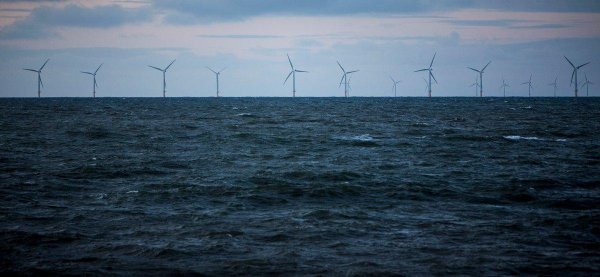
On May 1, the roughly 2,000 residents of Block Island, Rhode Island, began drawing power from the nation's first offshore wind farm, a shift that has already retired a local diesel plant that consumed about one million gallons of fuel each year. The transition positions the island as a test case for a technology that federal energy officials have long viewed as a cornerstone of a cleaner U.S. grid.
The Block Island Wind Farm, developed off the island's coast, connects the community to a larger regional grid for the first time. According to the Environmental Protection Agency, diesel fuel emits more carbon per unit than any other fossil fuel except residual fuel oil, making its replacement a notable environmental step.
Residents are now seeing a direct economic effect. Interim Block Island Power Company President Jeffery Wright told the Block Island Times that the previous Fuel Cost Adjustment has been replaced by a Standard Offer and Transmission Charge totaling 12.44 cents per kilowatt-hour. That rate is a fraction of what islanders had been paying, with prices at times reaching five times that amount.
A National Model for Offshore Wind
The project's backers intend for Block Island to serve as a demonstration, not just for the island but for the entire country. The U.S. Department of Energy's Office of Energy Efficiency and Renewable Energy has produced a wind resource assessment that maps the potential for offshore turbines along American coastlines, and this farm is the first to tap into that potential.
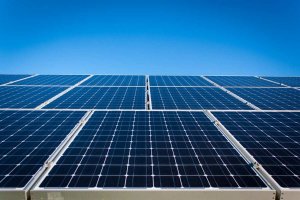
The move reflects a broader trend across the U.S. energy landscape, where renewables are increasingly displacing fossil fuels. Solar power has already reached cost parity with conventional sources in many markets, and analysts project that wind energy could match or beat fossil fuel costs within the next decade. Even the military has begun integrating renewable systems into field operations, a sign of the technology's growing reliability.
Yet the pace of change remains gradual, even as climate concerns intensify. The success of the Block Island project is being watched closely by utilities, policymakers, and developers who see offshore wind as a viable option for other coastal regions. Whether it can be replicated at scale will depend on factors such as permitting, grid connections, and long-term cost trends.
For now, Block Island offers a working example of how a small community can break from fossil fuel reliance, with measurable benefits in both emissions and household bills.










Comments
Sign in to leave a comment
No account? Create one
No comments yet.