
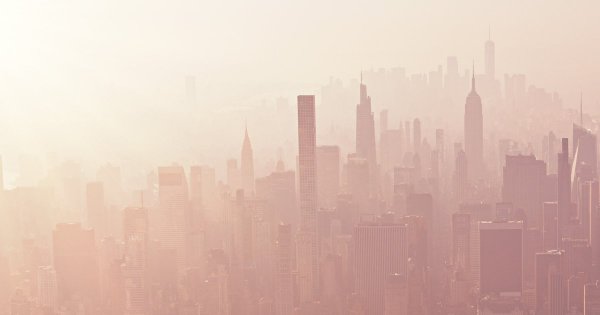
Smoke from massive wildfires in Canada's Manitoba province has drifted thousands of miles south, triggering air quality alerts across eight U.S. states and four Canadian provinces. The warnings, based on data from the U.S. Environmental Protection Agency's AirNow system, cover regions home to tens of millions of residents, according to a report by Newsweek.
As of the latest air quality index (AQI) readings, parts of New York City, Detroit, and Oklahoma City are experiencing moderate pollution levels. In Texas, the entire metropolitan areas of Dallas, Austin, Houston, and San Antonio are under similar advisories, with some suburbs of San Antonio classified as unhealthy for sensitive groups. More than six million people reside in those four Texas cities alone, while an additional 9.5 million live in the other affected urban centers.
Who Is Most at Risk?
The EPA's color-coded AQI scale, which ranges from 0 to 500, helps officials communicate health risks. Under the current moderate (code yellow) conditions, most healthy individuals may not notice immediate effects. However, the agency warns that sensitive populations—including pregnant women, children, older adults, and those with heart or lung conditions—could experience symptoms even at these levels.
Controlled human exposure studies cited by the EPA suggest that some individuals are more susceptible to lower ozone levels or moderate outdoor exertion than the average person. The agency notes it cannot pinpoint specific at-risk groups, but its guidance indicates that such people may feel effects when air quality falls into the moderate range.
For those living in affected areas, the primary recommendation is to stay indoors with windows closed until the smoke disperses. This advice, while straightforward, poses practical challenges for millions who must go outside for work, school, or other essential activities.
The situation underscores the far-reaching impact of climate-related events, as smoke from distant wildfires can degrade air quality in population centers hundreds of miles away. Officials continue to monitor conditions, with updates available through AirNow's real-time maps.







Comments
Sign in to leave a comment
No account? Create one
No comments yet.