
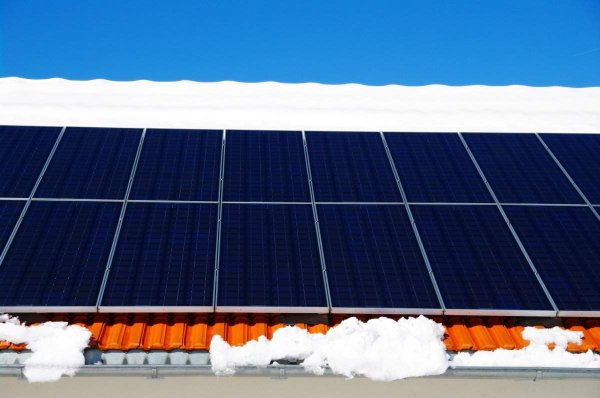
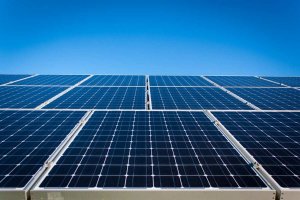
KUJJUAQ, Nunavik — A pilot solar project in Canada’s far north has demonstrated early success in reducing diesel consumption, saving more than 400 liters of fuel in just two months. The initiative, located in Kuujjuaq, the largest Inuit community in the Nunavik territory, generated approximately 1,100 kilowatt-hours of electricity between September and October, according to project managers.
The $560,000 investment, funded through a partnership involving the Makivik Corporation, which represents Inuit interests in Nunavik, is designed to assess the feasibility of solar power in a region that receives as little as five hours of sunlight per day during winter. The panels are not only producing energy but also collecting critical data on how the technology performs in extreme cold and low-light conditions.
Andy Moorhouse, who oversees the project for Makivik, said the goal is to study the system for a full 12-month cycle. “By the end of September 2018, we’ll be able to have full data on how these technologies did throughout the year, especially during dark times such as now,” he told Futurism. The findings will inform whether similar systems could be scaled up to power schools, clinics, or entire villages in other remote communities.
Why the Arctic Is Turning to Renewables
The push for solar in the Arctic comes amid high energy costs and logistical challenges associated with diesel delivery. Victoria Herrmann, director of the Washington-based Arctic Institute, noted that Arctic residents often pay twice as much for heating, electricity, and transportation fuel compared to their southern counterparts. “For those living in the Arctic, petroleum fuel isn’t about global commodity markets: it’s about survival,” she said. “Solar, wind, and other renewable energy sources are not just possible there, they’re profitable.”
Herrmann pointed to successful renewable projects in Alaska as evidence that such investments can boost energy sovereignty and economic vitality for remote communities. She added that Canada’s recent commitment of $400 million over 11 years to an Arctic Energy Fund could replicate that success across the country’s 170-plus off-grid Indigenous communities.
In Kuujjuaq, residents are awaiting the full-year results before making long-term plans. Moorhouse emphasized that future expansion depends on the test outcomes and a better understanding of each community’s consumption patterns. If the pilot proves viable, the infrastructure could be expanded to support essential services and eventually reduce the region’s heavy reliance on diesel.






Comments
Sign in to leave a comment
No account? Create one
No comments yet.