
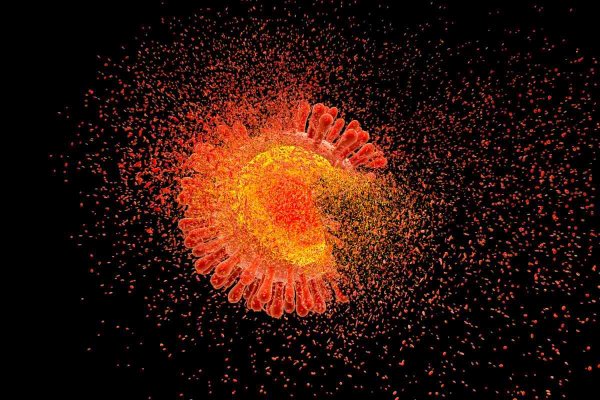
In a development that could reshape how scientists approach HIV treatment, a team at the University of Alabama at Birmingham has decoded the final unknown protein structure of HIV-1, the retrovirus responsible for AIDS. The work, led by Jamil Saad, Ph.D., fills a critical gap in understanding the virus's architecture, potentially unlocking new strategies to stop infection and replication.
The newly resolved structure is the cytoplasmic tail of the gp41 protein, a component that had eluded researchers for decades. With this piece in place, the complete structural map of HIV-1 is now known, providing a comprehensive blueprint that scientists can use to identify vulnerabilities in the virus's lifecycle.
According to the research team, the cytoplasmic tail plays a pivotal role in the assembly of new viral particles. By understanding its shape and function, researchers may be able to design drugs that interfere with the incorporation of the envelope protein into new viruses. As Saad explained, "If we are able to inhibit incorporation of the envelope protein, we inhibit viral replication. This would disarm the virus and prevent disease."
The significance of this discovery extends beyond HIV-1. The structural insights could inform research on other viruses with similar envelope proteins, potentially broadening the impact of the finding. However, translating this knowledge into viable treatments will require extensive additional research, including preclinical and clinical trials.
Why the gp41 Tail Matters
The gp41 protein is part of the viral envelope that helps HIV-1 fuse with and enter human cells. The cytoplasmic tail, located inside the viral membrane, was the last unresolved segment. Its structure is now known to be essential for the proper assembly of infectious viral particles. By targeting this region, future drugs might prevent the virus from becoming infectious altogether.
The project was notably challenging. Saad described it as "the most challenging project I have encountered in the past 20 years," noting that persistence from his lab group was key to overcoming repeated setbacks. The team's success required innovative techniques in protein expression and structural biology, though specific methods were not detailed in the announcement.
Global health data underscore the urgency of such research. The Centers for Disease Control and Prevention (CDC) estimates that 1.1 million people in the United States are living with HIV, while the World Health Organization (WHO) reports 36.7 million people worldwide are affected by HIV/AIDS. These numbers highlight the ongoing need for improved therapies and, ultimately, a cure.
While the discovery is a major step forward, experts caution that a cure is not imminent. The path from structural knowledge to therapeutic application is long and fraught with scientific and regulatory hurdles. Nevertheless, having the complete structure of HIV-1 provides a solid foundation for future drug design and vaccine development.
For now, the achievement stands as a testament to the persistence of the research community. As Saad noted, the project nearly ended in frustration, but the team's dedication paid off. The new structural data will be shared with the broader scientific community, enabling collaborative efforts to translate this knowledge into clinical solutions.











Comments
Sign in to leave a comment
No account? Create one
No comments yet.