
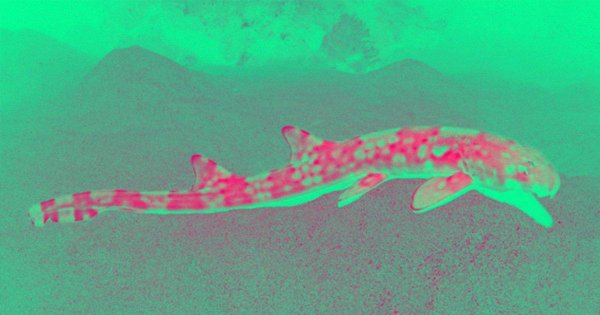
Marine biologists have identified four previously unknown species of sharks that can walk on land, expanding the known roster of these amphibious creatures to nine. The findings, published Tuesday in the peer-reviewed journal Marine and Freshwater Research, describe sharks that use their four fins as stubby legs to crawl across coral reefs and even wriggle over dry land between tide pools.
While the idea of a land-walking shark might evoke alarm, lead author Christine Dudgeon, a researcher at the University of Queensland, reassured the public in a statement: “At less than a meter long on average, walking sharks present no threat to people.” She emphasized that their unusual locomotion gives them a distinct advantage over their prey—small crustaceans and mollusks—especially in oxygen-poor environments where other predators struggle.
The newly documented species are considered the most recently evolved sharks known to science, according to a report from CNET. They still spend most of their lives in water, but their ability to briefly traverse land allows them to move between isolated tide pools, a behavior that may help them survive changing conditions.
Why Walking Matters
This adaptation is not just a curiosity; it represents a significant evolutionary step. The sharks’ fins have developed enough strength and flexibility to support their bodies out of water, a trait that likely emerged as a response to the challenges of their shallow reef habitats. Their tolerance for low oxygen levels further sets them apart, enabling them to thrive in environments that would be inhospitable to other sharks.
The research adds to a growing body of knowledge about how marine species adapt to environmental pressures. While the discovery may seem like a plot from a science fiction movie, scientists stress that these creatures are small and harmless, focusing instead on the evolutionary insights they provide.
For those interested in the broader implications, the study underscores the remarkable diversity of shark species and the unexpected ways evolution can shape life. As Dudgeon noted, the walking sharks’ unique traits give them a “remarkable edge” in their ecological niche, but they remain a fascinating, non-threatening part of the ocean’s biodiversity.












Comments
Sign in to leave a comment
No account? Create one
No comments yet.