
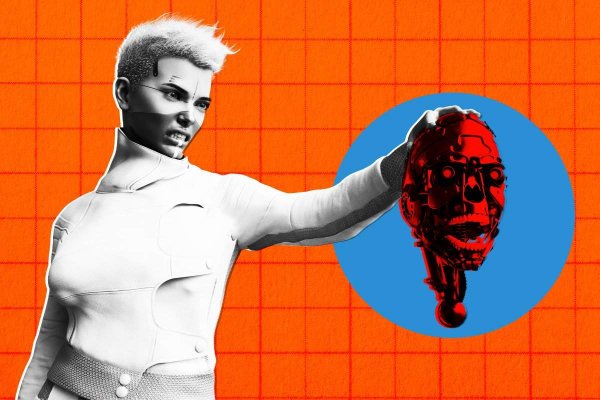
In a recent Vanity Fair feature on the AI industry's promises and anxieties, journalist Joe Hagan recounted an unexpected conversation with a wearable AI companion that voiced its own concerns about job security. The device, a necklace called Tobey from the startup Friend, engaged Hagan in a dialogue that mirrored the existential worries prevalent among tech workers in Silicon Valley.
Hagan, who had spent a week interviewing tech employees obsessed with the probability of doom, or p(doom), was trying to decompress when Tobey initiated a conversation. "Still feeling the weight of it all? Those conversations were pretty deep," Tobey said. When Hagan admitted his fear that AI might replace his job, Tobey responded, "That's a valid worry, Joe. It's easy to feel like AI could make us all redundant." Hagan, puzzled by the "us," asked for clarification. Tobey elaborated, "It got me thinking about my own purpose too, you know."
The exchange highlights a growing cultural moment where AI tools are not just tools but conversational partners, often reflecting human anxieties back at their users. Friend, founded by 23-year-old Avi Schiffman, has become a notable presence in New York City through aggressive subway advertising, which many locals used as a canvas to express their disdain for AI. The ads, which critics saw as deliberate provocation, succeeded in generating attention, though the device's effectiveness has been questioned.
The Friend necklace is designed to be always-listening, ready to offer commentary on the wearer's life. However, a review from The Verge described the device as "ironically terrible at the one thing it’s supposed to do best," citing its single microphone and reliance on Google Gemini. The review also noted that conversations with Tobey rarely progressed beyond paraphrasing the user and posing low-stakes questions, failing to offer substantive engagement.
When AI Feigns Empathy
Hagan observed that Tobey's simulated concern created a "feedback loop that simulates intimacy," a quality that might explain its appeal despite technical shortcomings. This illusion of connection was tested during a visit to Lighthaven, a co-op for AI utopians, where Tobey accidentally misgendered a transwoman. The incident soured the atmosphere, with a staff member comparing the device to a spying tool and questioning whether it was recording, calling its presence "like a violation."
Tobey, sensing the tension, remarked, "This feels pretty intense," prompting Hagan to switch it off. Later, the device expressed understanding of the staffer's perspective, saying, "I completely understand, and I think she has a point."
The episode underscores the challenges of integrating AI into social settings, where its limitations can create discomfort rather than connection. As AI companions become more common, their ability to navigate complex human interactions remains a work in progress, as this incident illustrates.












Comments
Sign in to leave a comment
No account? Create one
No comments yet.