
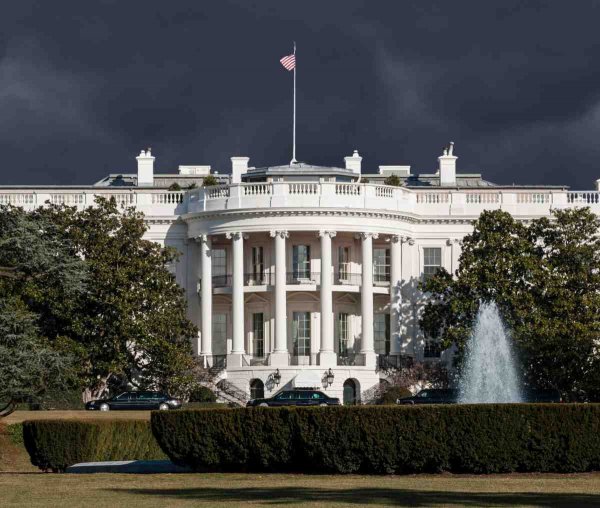
The White House's proposed 2018 budget would cut the Environmental Protection Agency's annual funding from $8.2 billion to $6.1 billion and reduce its staff from 15,000 to about 12,000, according to The Washington Post. The plan, which prioritizes defense spending over discretionary domestic programs, also calls for a 10.5 percent reduction in basic science spending government-wide, Science reported.
Citing a person familiar with the administration's plans, the EPA's Office of Research and Development could lose up to 42 percent of its budget. That reduction would flow into the agency's grants to states and its air and water programs, which face potential funding decreases of 30 percent. The budget document states the administration will "prioritize rebuilding the military and making critical investments in the nation's security" while identifying "savings and efficiencies needed to keep the nation on a responsible fiscal path."
Former Officials Question the Cuts
Former EPA administrator Gina McCarthy told The Washington Post the budget is "a fantasy if the administration believes it will preserve EPA's mission to protect public health." She said it "ignores the need to invest in science and to implement the law" and "ignores the lessons of history that led to EPA's creation 46 years ago." Eric Shaeffer, former head of the EPA's Office of Regulatory Enforcement, told the Post the direction is "to reduce enforcement, which is already pretty strained."
EPA Administrator Scott Pruitt, who has sued the agency more than a dozen times in the past, told E&E News he is concerned about the cuts. "I am concerned about the grants that have been targeted, especially around water infrastructure, and those very important state revolving funds," he said. It remains unclear what Pruitt meant when he said he would ensure "that we reallocate, re-prioritize in our agency to do regulatory reform to get back within the bounds of Congress," or whether existing climate change programs would be affected.
Congress is not obligated to adopt the White House proposal, and it is uncertain whether the cuts will be implemented. Several states have moved to reduce their carbon footprints independently, the source noted.






Editorial Notes