
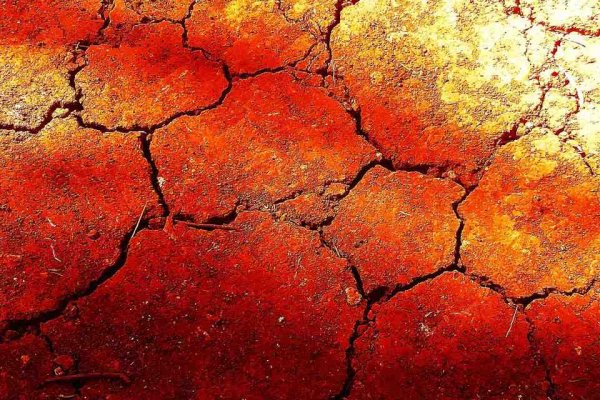
Only five US states — Michigan, Indiana, Ohio, Alaska and Hawaii — are entirely free of drought, according to the latest data from the University of Nebraska-Lincoln drought monitor. Every other state is experiencing at least "moderate drought" conditions, with Ohio the sole state completely clear of any abnormally dry conditions.
The monitor categorizes dry weather on a five-point scale, from D0 "abnormally dry" to D4 "exceptional drought." At D1, or moderate drought, dryland crops suffer, hay harvests face severe setbacks and wildfire risks climb. Dangerous heat is currently scorching the US West, high plains and Southeast.
Hardest-Hit States
Colorado ranks among the most affected, with 96.5 percent of the state at D1 or higher and 9.3 percent under extreme D4 conditions. North Carolina has at least 90.4 percent of its area at D2 or above — a level that triggers voluntary and mandatory water use restrictions in some areas — with 7.02 percent reaching D4.
The UNL researchers caution that "no two states have the same experience during a drought," meaning the broad-scale observations may not reflect local conditions. Two cities within the same county could manage water tables differently, skewing drought impacts on the ground.
Winter Wheat Damage
About 46 percent of the winter wheat harvest yield on the high plains was "rated in very poor to poor condition," the researchers observed. More than half the crop earned that rating in Nebraska (83 percent), Colorado (63 percent) and Kansas (55 percent), according to the monitor.
In the western states, "drought deterioration was commonly observed across roughly the northern half of the region, amid significantly above-normal temperatures and mounting water-supply concerns," the monitor reported.
Rain showers across the Midwest and Northeast have eased the worst drought conditions in those regions. But for high-impact zones still waiting for relief — with heat domes fueled by El Niño approaching — the monitor suggests relief may be a long way out.


Editorial Notes