
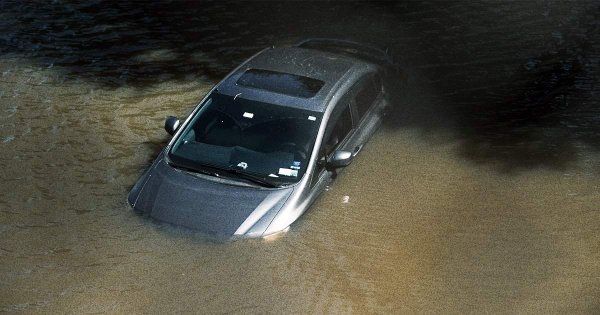
Hurricane Ida killed at least 20 people in the Northeast on Wednesday night after flooding streets, the New York City subway system, and homes, according to The New York Times. The storm had devastated New Orleans the previous weekend before moving northeast and causing destruction across New York, New Jersey, and Pennsylvania. The death toll in Louisiana was still rising at the time of the report.
The rainfall set records. Central Park recorded 3.14 inches of rain in one hour, and Newark Airport in New Jersey recorded 3.24 inches. Axios noted that such intense rainfall would normally be considered a once-in-500-years event, but worsening environmental degradation will likely cause storms of this caliber to happen with increasing frequency.
What Experts Say About the Cause
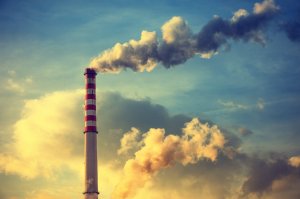
Western Carolina University geologist Robert Young wrote in a New York Times op-ed that the unusual destruction is climate change manifested in America's own backyards, and that the situation will not improve unless leaders take urgent steps to stop it. "Ultimately, we must also recognize that the coastal zone will be in ever-increasing peril until we tackle the changing climate in a meaningful way," Young wrote. "All this resilience spending is just a Band-Aid, not a cure."
A Pattern of Extreme Weather
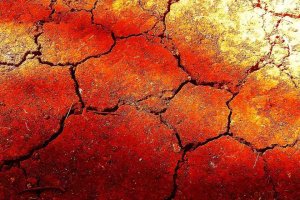
The Northeast flooding is not the first indicator that climate change is affecting the United States. The Pacific Northwest has been on fire for months, and droughts are plaguing a huge stretch of the country. The source material describes deadly floods as another sign that urgent, immediate action is necessary.







Editorial Notes