
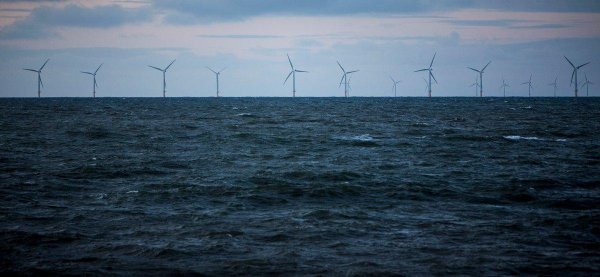
Block Island, Rhode Island, has become the first location in the United States to be powered by an offshore wind farm, a shift that ended the island's reliance on a diesel plant that burned about one million gallons of fuel each year. The change took effect May 1 for the island's 2,000 residents.
The Block Island Wind Farm is intended to serve as a demonstration of offshore wind's potential nationwide. The Office of Energy Efficiency and Renewable Energy (EERE) has produced a wind resource assessment and characterization study outlining that potential.
Residents now connected to the larger grid will see cleaner energy and lower, more predictable electric bills. Jeffery Wright, interim president of the Block Island Power Company, told the Block Island Times that the Fuel Cost Adjustment will be replaced by a Standard Offer and Transmission Charge totaling 12.44 cents per kilowatt-hour. That rate is a fraction of the prices that had risen to five times that amount, according to the report.
The project reflects a broader trend of renewables replacing fossil fuels on the power grid. Solar is now cheaper than fossil fuels, and experts believe wind energy will also compete with or beat fossil fuels on cost within ten years. Even the military is using renewables for field operations.
Despite the urgency of climate change and the need for immediate adoption of renewable energy, change is coming slowly. The success of the Block Island Wind Farm is expected to help prove the viability of offshore wind in the U.S. to those who remain skeptical.












Editorial Notes