
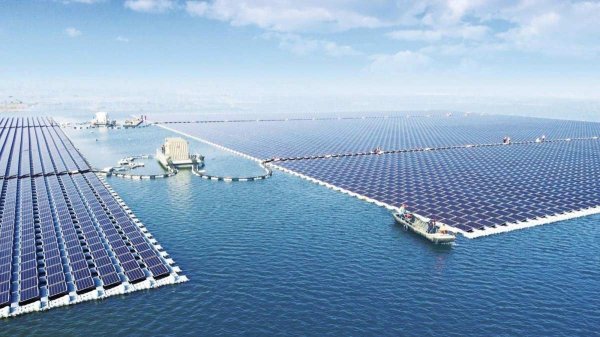
China has built the world's largest floating solar farm on a lake that once served as a coal mine, a 40-megawatt installation with 166,000 panels capable of powering 15,000 homes, according to the South China Morning Post. The project, located in the coal-rich Anhui province, is part of the country's broader push to showcase its commitment to renewable energy.
The floating solar farm arrives amid an unprecedented solar boom in China. As of November 2017, solar photovoltaic capacity reached 126 gigawatts, a 67 percent increase from the same period in 2016. The country is also attempting to reduce its reliance on highly polluting energy sources, which are estimated to have contributed to 366,000 deaths in 2013 alone.
Why Water-Based Solar
Building solar farms over water offers advantages beyond land preservation. The approach avoids interfering with terrestrial ecosystems, helping protect wildlife and local vegetation. Placing panels on water also keeps them cool, maintaining efficiency by preventing the cells from overheating.
The International Energy Agency, in its yearly overview of global energy markets, finds that China is entering a new phase of economic development, moving away from heavy manufacturing and other carbon-intensive industries. Investments in clean energy projects like the Anhui floating solar farm are part of that overarching effort to clean up the Chinese economy.
A Global Trend of Reusing Obsolete Sites
The idea of repurposing former industrial sites for renewable energy is gaining traction worldwide. In Ukraine, a solar farm is being built at the Chernobyl nuclear disaster site, another example of turning obsolete locations into productive energy assets.
Despite these advances, China remains the world's biggest polluter and still consumes large amounts of oil, coal and natural gas. With a population of nearly 1.4 billion, phasing out coal is a monumental task expected to take many years. As clean energy continues to rise, China and other nations will likely need an array of technologies—including carbon capture and storage—to offset emissions.










Editorial Notes