
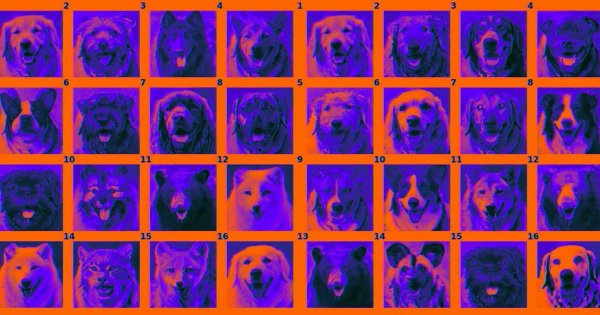
Nvidia has built an algorithmic tool that can take a photograph and morph its subject into a variety of dogs, cats, and other species. Called PetSwap, the tool can turn a portrait into a puppy, according to a Vice report on the project.
The algorithm behind PetSwap is Few-shot UNsupervised Image-to-image Translation, or FUNIT. It relies on a generative adversarial network, or GAN — a type of AI typically used to generate deepfakes and to train autonomous vehicles on potential road conditions.
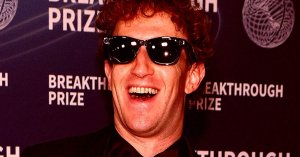
Readers can test the algorithm by uploading a selfie. The Vice report cautions that results for people wearing glasses can be "horrifyingly varied."
Why the research matters beyond novelty
PetSwap may be entertaining, but its underlying question is technical. The project's paper states that "humans are remarkably good at generalization," while for AI, generalizing from a few samples "based on prior knowledge is entirely beyond their reach." If algorithms like PetSwap could generalize more successfully from a small pool of new information, they could speed up the development of machine vision technology.
The tool joins a broader class of AI systems that generate images of people who do not exist and replicate voices of people who do. Nvidia's FUNIT work, as described in the source material, is aimed at closing a gap in how machines learn from limited examples.

Editorial Notes